
Are you seeking a secure and forward-looking “Plan B” that can hedge against uncertainty and unstable economic and political conditions, while leveraging unparalleled global advantages? Caribbean Passport and Citizenship offers you all of that. With global access to more than 150 destinations, including the Schengen zone, the Caribbean Citizenship provides investors and high-net-worth individuals long-term security, lifestyle flexibility, and a stable environment. It also opens pathways to live, work, and study in international universities, leverage the attractive tax incentives and its strategic location, offering you the opportunity to enjoy the world’s most stunning beaches and picturesque landscapes.
Overview of the Caribbean Region
Known for its mesmerizing beaches, rich cultural heritage, and warm climate, the Caribbean region is home to a remarkable diversity of economic sectors that contribute to its overall resilience and stability. The Caribbean region has attracted attention for its unique characteristics and promising growth prospects.
Thanks to its location near major markets in North America and Europe, the region offers excellent connectivity and accessibility, providing businesses with a convenient gateway to international trade, efficient shipping routes, and access to global transportation networks.
The Caribbean’s abundant natural resources and diversified economic sectors, including tourism, agriculture, manufacturing, renewable energy, and financial services, offer dynamic opportunities for growth.
The Caribbean countries are recognized for their stable political environment, reliable legal frameworks, and robust financial sectors. By creating attractive business environments, offering incentives, and streamlining regulations, the Caribbean countries were able to attract foreign direct investment, which has impacted their economies positively.
The Caribbean countries, such as Antigua and Barbuda, St. Kitts and Nevis, Saint Lucia, Dominica, and Grenada, stand out with their citizenship by investment programs. They provide citizenship in exchange for a financial contribution in a fast and straightforward process.
Caribbean Passport and Citizenship in a Nutshell
A Caribbean Citizenship by Investment program offers investors and high-net-worth individuals a straightforward and affordable path to obtain citizenship and the Caribbean Passport. Applicants can acquire a second passport by making a minimum investment worth $200,000 and maintaining it for a specific period of time, ensuring commitment to the country’s economic welfare. Investment options include a qualifying financial contribution to national funds, real estate acquisitions in approved projects, and government bonds.
To qualify for a Caribbean citizenship, applicants must be at least 18 years old, and they should demonstrate a clean criminal record and verified sources of funds. The Caribbean programs allow applicants to include their family members, such as spouses, children, and parents, in the same application.
To obtain a Caribbean passport, applicants must pass a thorough due diligence process. They must meet specific requirements and provide several documents. Investors are required to choose an authorized agent to guide them through the process and help them submit their application. The processing time for completing the application varies by country, ranging from 3 to 8 months.
Choosing the suitable program requires careful assessment of the personal objectives and financial goals, as the investment thresholds vary among programs. Investors should evaluate the advantages of each program, understand the policies and benefits associated with it, to be able to make the right decision.

Key Changes of Caribbean Passport and Citizenship Over the Last Few Years
The Caribbean Passport and Citizenship programs have witnessed several changes over the last few years to streamline their offering and align with the best international standards.
Increasing Investment Thresholds
In a bold step to create a unified standard that harmonizes investment levels and fosters consistency and transparency for prospective applicants, the five Caribbean countries increased the minimum investment thresholds required to obtain citizenship in 2024. Applicants were required to contribute $100,000 to the national funds, in addition to the government and due diligence fees. However, after the price adjustments, the minimum investment thresholds became as follows:
| Country | Starting Price |
| Antigua & Barbuda | $277,000 |
| Dominica | $210,060 |
| Grenada | $244,420 |
| Saint Lucia | $250,000 |
| Saint Kitts & Nevis | $260,300 |
Conducting Mandatory Interviews
In the last three years, Caribbean countries also decided to conduct personal interviews for citizenship applicants as a mandatory prerequisite to obtain citizenship. The measure comes after the Caribbean countries signed an agreement with the US and EU to tighten the programs’ due diligence and risk mitigation.
Expanding Dependent Eligibility
St. Kitts and Nevis has expanded the definition of dependents under the Citizenship by Substantial Investment Regulations. The amendment now allows dependent children up to the age of 30 to be included in an application, provided the submission is made before the child’s 30th birthday. Applicants may now include children aged 18-30 who are unmarried and substantially supported by the main applicant, with proof of financial dependence such as bank statements, financial support records, or affidavits.
8 Caribbean Citizenship Changes Are Coming
The Caribbean countries have engaged over the past two years in intensive dialogue with global partners and have agreed to adopt principles that reaffirm the legitimacy and necessity of the programs’ revenues to the economies of these islands. Below are the main Caribbean Citizenship changes:
- Establishment of a Regional Regulator
All five participating states have agreed to establish the Eastern Caribbean Citizenship by Investment Regulatory Authority (ECCIRA)[1], which will issue binding standards for citizenship by investment units and licensees. It will track all industry agents and promoters, conduct audits and risk-based monitoring, verify applicant eligibility, perform due diligence procedures, maintain regional registers, oversee all fees, and carry out enforcement activities. The new regulator, which will operate from Grenada, will begin its official operations starting from April 2026.
- New Residency Requirements
Under the upcoming Caribbean Citizenship changes, successful applicants will be required to spend a total of 30 days in their second country during the first five years of obtaining citizenship.
- Mandatory Orientation
The citizenship application process will now mandate new applicants to complete an essential orientation program, which covers the national history, civic responsibilities, political systems, and constitutional foundations of participating states.
- New Rules for Biometrics
One of the major changes is the full rollout of biometric collection across the board. The current system requires citizenship by investment applicants to undergo biometric screening, which includes fingerprint and facial scan procedures. St. Kitts announced early this month that it will start collecting biometric data before the end of March 2026.
- New Passport Rules
New citizenship by investment citizens will initially receive a 5-year passport, giving the authorities time to verify compliance with the new residency and orientation requirements.
Read Also: Caribbean Citizenship: Big Shifts on the Horizon — Here’s the Impact
Eligibility Criteria for Caribbean Passport and Citizenship
To qualify for obtaining a Caribbean Passport and Citizenship, applicants must be 18 years and above. They must be of good character, which means they should have no criminal record and have a clean source of funds. All family members included in the applications must be in good health. Proficiency in English is not obligatory, making it accessible for a global audience.
To acquire Caribbean citizenship, applicants must make a minimum investment that varies depending on the program selected. This includes a non-refundable contribution to the national funds, or buying real estate in a government-approved project, and maintaining it for a set period. Applicants should sign an agreement with an authorized agent to prepare all documents required and submit their application. They should also pass a due diligence process before getting the approval.
Caribbean Passport and Citizenship Key Benefits
Obtaining a Caribbean citizenship provides investors with a lot of benefits:
- Straightforward Path to Obtain Residency
The Caribbean Citizenship program offers a direct opportunity to acquire citizenship immediately, bypassing the extended residency and testing prerequisites. This direct approach makes the Caribbean program appealing to affluents seeking accelerated citizenship. Citizenship can also be obtained for the whole family instantly.
- Rapid acquisition time
Caribbean nations offer a quick route to citizenship, granting qualified applicants citizenship within 3 to 8 months, depending on the program, and so far, no residency is required.
- Affordable investment requirements
Although Caribbean countries providing citizenship by investment programs have agreed to increase and standardize the minimum investment threshold to $200,000 by June 30, 2024, it is still an accessible entry threshold compared to other countries.
- Enhanced Global Mobility
The Caribbean citizenship provides its holders with visa-free access to more than 145 destinations, including the Schengen Zone, the UK, and several Asian countries such as Indonesia, Singapore, and others.
- Tax haven
Caribbean countries are considered tax havens as they provide low tax rates for individuals and businesses. Residents often pay no taxes on global income, dividends, royalties, and interest. Companies registered in tax havens also benefit from low corporate tax.
- Real estate investment opportunities
Investing in Caribbean real estate can be financially rewarding, especially in the tourism sector. It can yield returns through rental income or property resale after the holding period.
- Banking opportunities
Acquiring a Caribbean passport simplifies the process of opening an account with European banks, cutting through bureaucratic red tape. This streamlined banking access not only facilitates depositing funds but also enables investors to secure loans and conduct currency transactions with greater ease.
- Preferential education in the UK
The Caribbean countries are members of the Commonwealth of Nations; therefore, they can offer educational advantages for investors’ children. This status entitles them to preferential terms at certain schools and universities in the UK.
Besides the educational advantages, Caribbean citizenship offers access to premium healthcare facilities. Antigua and Barbuda’s system, for example, adheres to international medical standards, providing high-quality healthcare services.
- Safety and Stability
The Caribbean countries are renowned as safe havens, registering some of the lowest crime rates globally. These nations prioritize the safety of both their citizens and visitors, recognizing the pivotal role of tourism in their economies.
Using public transport is safe and easy for both minors and adults. The local Caribbean population is considered to be friendly and welcoming. Their culture is rich in art, music, literature, and more; however, each island has its historical influences, resulting in a variety of vibrant traditions and cuisine. The Caribbean countries have maintained strong economic health for decades, largely due to the high volume of international business conducted in the area. The Caribbean region’s commitment to providing a safe and stable living environment for families reinforces its position as a secure harbor. Therefore, acquiring Caribbean citizenship implies investing not only in a travel document but also in a secure and stable lifestyle for the investor and their family.
- Retirement
With its mesmerizing beaches, tropical weather, and luxurious lifestyle, as well as the numerous benefits, including tax advantages, excellent medical care, and a relatively low cost of living, the Caribbean is an ideal location for retirees to enjoy their golden years.
Caribbean Passport and Citizenship by Countries
Saint Kitts and Nevis
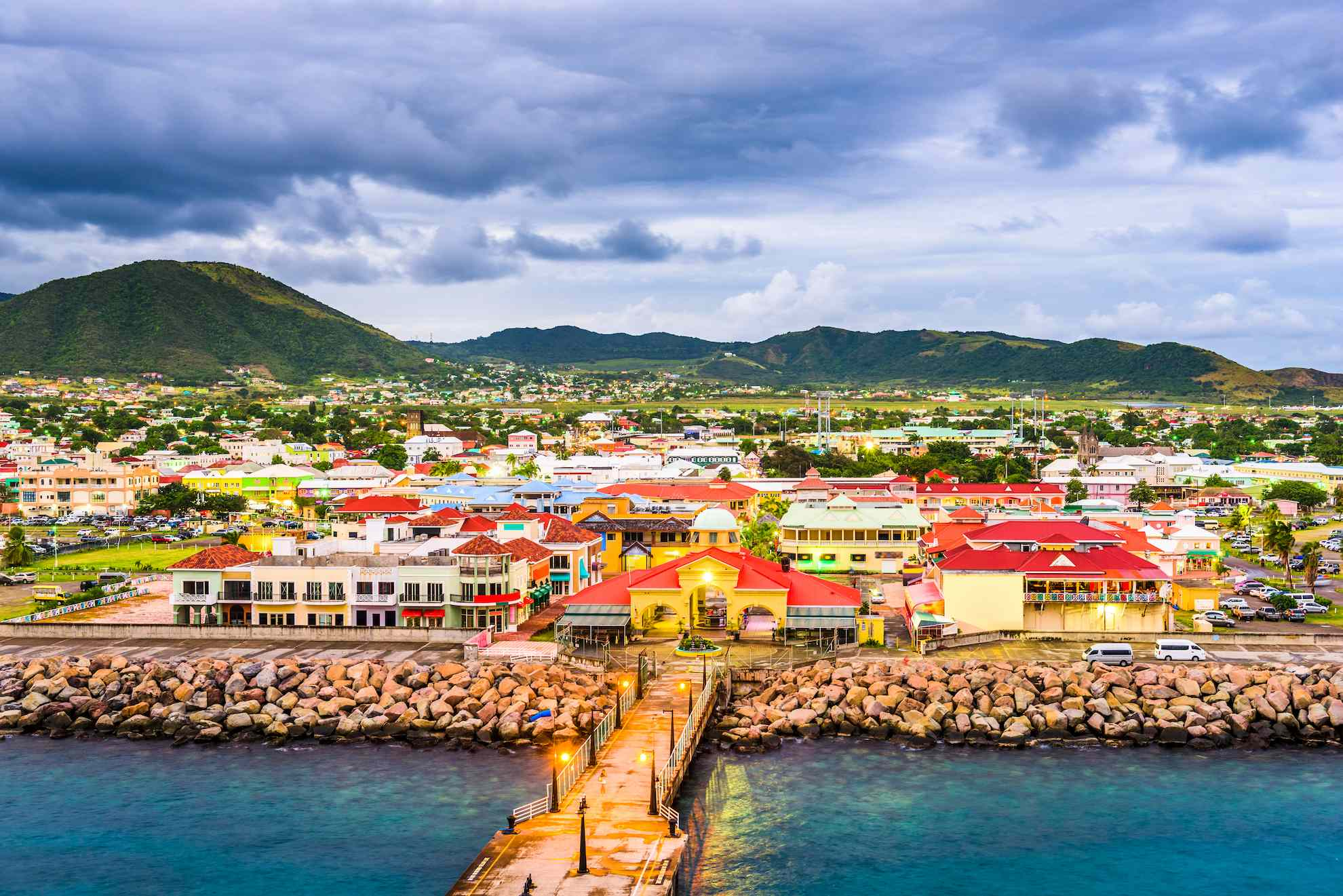
St. Kitts & Nevis Citizenship Program in a Nutshell
Established in 1984, the St. Kitts and Nevis Citizenship by Investment program has proved itself to be one of the most respected and sought-after programs that allow qualified investors and their families to obtain citizenship within months without any need to reside in the country for now. The program is the gateway to a new life in a tropical paradise and a secure path for seamless global mobility, financial privacy, and attractive investment prospects. It is also renowned for being one of the quickest ways to obtain a passport.
Investment options
St. Kitts and Nevis citizenship by investment program is considered an attractive and affordable option in the Caribbean. It provides applicants with three investment routes.
- Sustainable Island State Contribution (SISC) Option
St. Kitts and Nevis launched the Sustainable Island State Contribution (SISC) in 2023 as a replacement for the Sustainable Growth Fund. The SISC offers a citizenship pathway through a minimum investment of $250,000.
- Government-Approved Real Estate Purchase
For a tangible asset, investors can buy property or shares in a government-approved real estate development that is valued at a minimum of $325,000. This investment has to be held for no less than seven years.
- Private Home Sale Investment Option
For those interested in the leisure and hospitality industry, there is a great way to invest by buying a share in a government-approved luxury resort with a minimum investment of $325,000. The asset has to be kept for at least seven years.
Passport Ranking and Visa-Free Access
The St. Kitts and Nevis passport was at the top of the Caribbean countries’ list, coming in 23rd place globally. The St. Kitts passport is considered a powerful route for investors, with visa-free access to 155 destinations, including the Schengen Area, the UK, Russia, Hong Kong, Singapore, and Latin American countries.
Dominica

Dominica Citizenship Program in a Nutshell
Dominica citizenship by investment program, launched in 1993, is considered one of the longest-standing and most popular options globally. Investors making a substantial financial investment in the country’s economy can acquire Dominica’s citizenship. The program’s primary purpose is to attract foreign investments, stimulate economic growth, and address the challenges of today’s competitive international market. Investors have the option to support major development initiatives in both the public and private sectors or invest in a government-approved real estate project, with an opportunity to return the money in 3 to 5 years by selling the property.
The application process for this program is cost-effective, fast, and straightforward, as it can be completed within 4 to 5 months. When applying for this program, dependent children up to the age of 30, parents, and grandparents can be included under one application. Dominica’s citizenship is granted for life and irrevocable, and dual citizenship is allowed.
Investment Options
Dominica’s CBI program is one of the most affordable options in the Caribbean, providing investors with two investment routes.
- Non-refundable contribution to the Economic Diversification Fund (EDF)
This non-refundable contribution supports public and private development projects in Dominica. The EDF is a non-profit fund subject to parliamentary oversight and audited by an internationally recognized accounting firm to ensure transparency. The investment is catered to different family sizes, starting at $200,000 for a single applicant, and increases with the number of family members. Applicants are also required to pay for the application, due diligence, and processing fees.
- Real Estate Investment
To qualify for citizenship in Dominica under the real estate option, an applicant must purchase authorized real estate for a minimum value of $200,000, which may be resold after 5 years. Additionally, applicants must pay non-refundable government fees.
Passport Ranking and Visa-Free Access
Dominica’s passport is currently ranked 29th among global passports, providing visa-free access to 145 countries. Passport holders can enter countries such as Singapore, Russia, and the entire European Union without a visa, and this allows instant access to world-class destinations.
Grenada
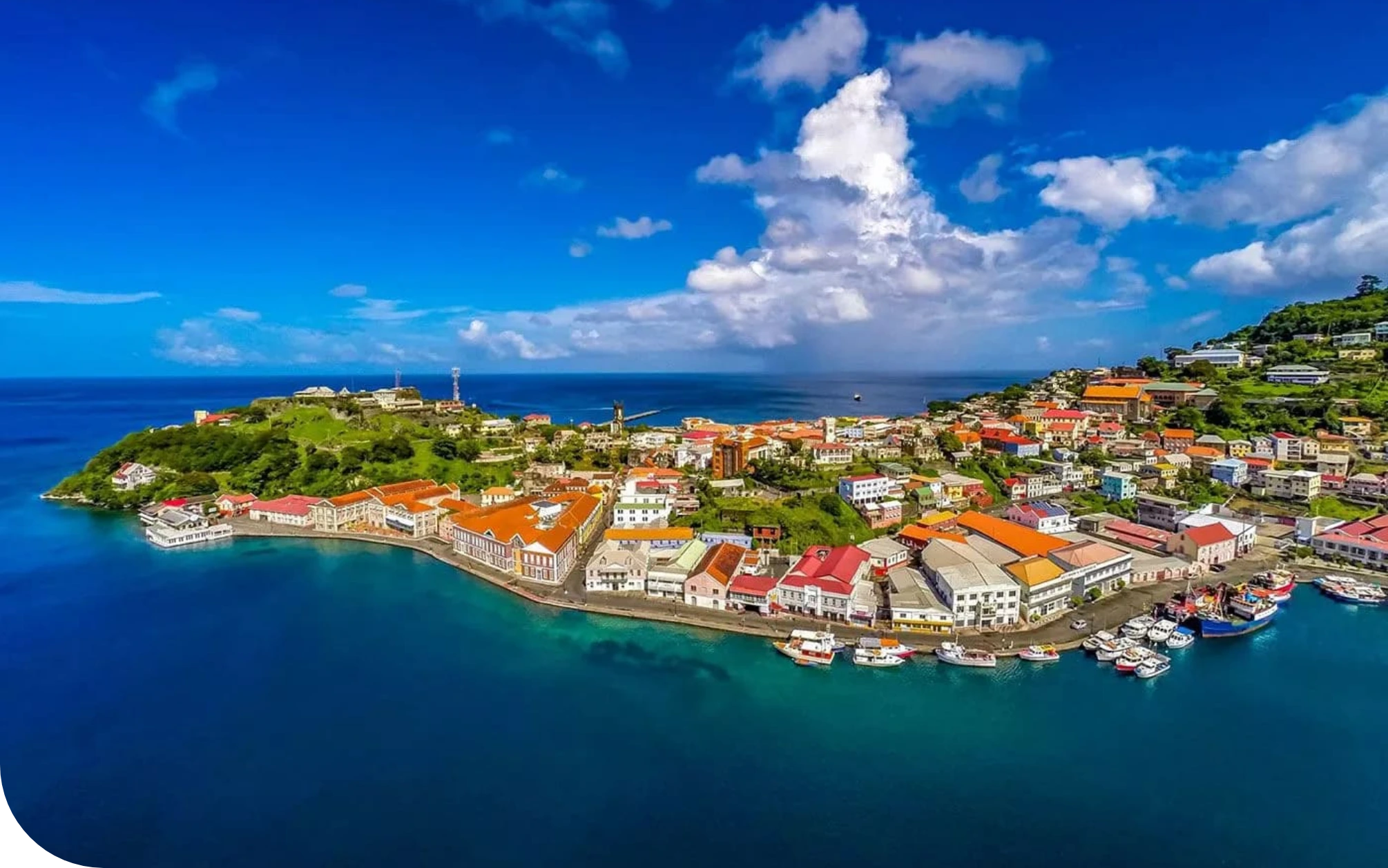
Grenada Citizenship by investment
Grenada Citizenship Program in a Nutshell
Grenada citizenship by investment program is a government-backed initiative that enables qualified investors and their families to obtain citizenship and a second passport without residency requirements before or after applying. The application process for this program is cost-effective, fast, and straightforward, as it can be completed within 3 to 4 months with no residency requirements. Grenada’s citizenship is granted for life and is irrevocable, and dual citizenship is allowed. When applying for this program, children, parents, and unmarried siblings can be included under one application. Grenada’s citizenship can be obtained in exchange for an investment in the country’s economy.
Known as one of the most attractive citizenship by investment programs worldwide, Grenada’s program provides a seamless route to a second passport. Applicants are required to make a substantial financial contribution to the country’s economy to obtain citizenship.
Investment Options
Grenada citizenship by investment program is considered an attractive and affordable option in the Caribbean. It provides applicants with two investment routes.
- Non-refundable contribution to the National Transformation Fund (NTF)
Grenada’s NTF Donation program provides a philanthropic way to obtain Grenadian citizenship. The investment is catered to different family sizes, starting at $235,000 for a single applicant. The costs increase with the number of family members.
- Investment in a Government-approved Real Estate Project
To qualify for Grenada’s citizenship by investment under the real estate option, an applicant must purchase an authorized real estate for a minimum of $350,000 or $270,000 in luxury accommodation shares, which may be resold after 5 years.
Passport Ranking and Visa-Free Access
A Grenadian passport is ranked 27th globally, providing visa-free or visa-on-arrival to 147 countries, including the Schengen Zone, the UK, China, and Singapore. This streamlines travel restrictions and bureaucratic hurdles for business and leisure travelers.
Another attractive feature of Grenada citizenship by investment program is the ability of its citizens to apply for the US E2 visa. Investors striving to relocate to the US and start their business can simply achieve their dream of gaining a US visa after acquiring Grenadian Citizenship. Grenada is considered the sole Caribbean country with a bilateral arrangement with the US for the E-2 visa, which opens the door to immense business, social, and educational opportunities in the US.
St. Lucia
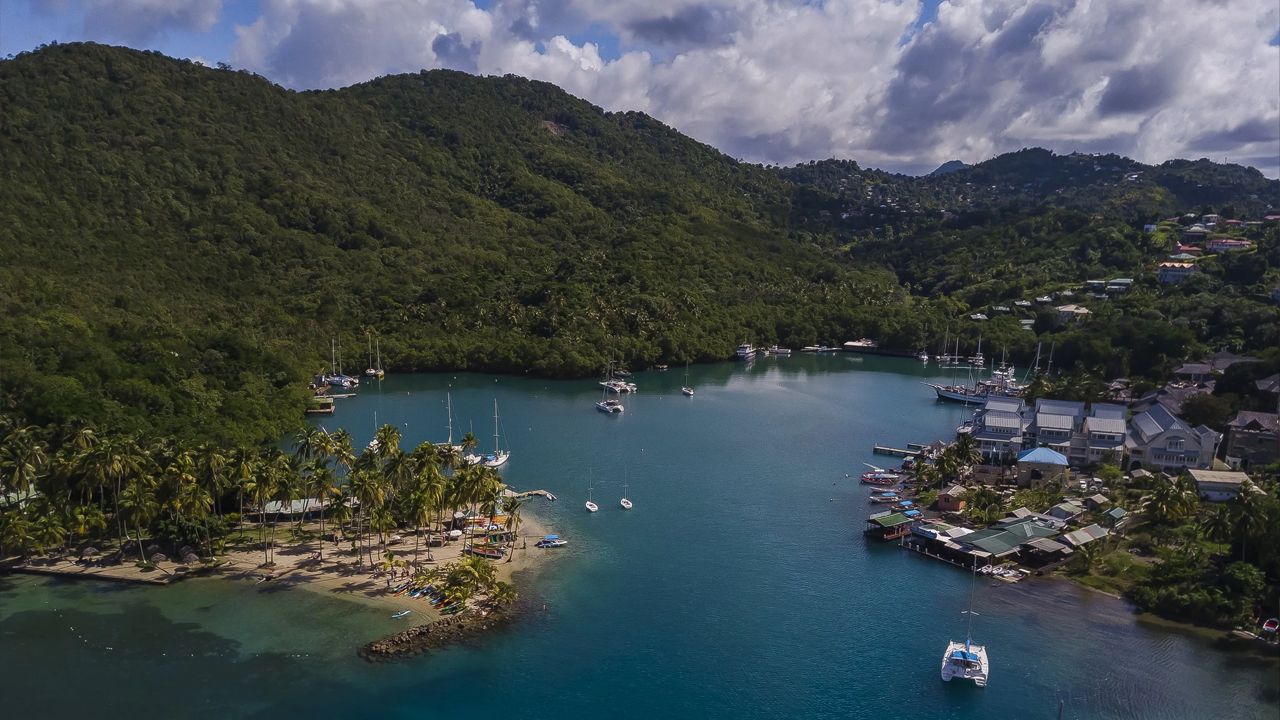
St. Lucia Citizenship Program in a Nutshell
Saint Lucia citizenship by investment program is one of the youngest programs in the Caribbean. The country has recently updated the regulations governing its citizenship by investment program to remain competitive and ensure it fulfills its mandate of increasing demand for its investment products.
The program allows foreign investors and their qualifying dependents to acquire a second passport and citizenship in exchange for an investment in the country’s economy. After meeting certain criteria and successfully passing a thorough due diligence process, applicants are granted citizenship for life within 4 to 5 months. The application process for this program is cost-effective, fast, and straightforward, with a limited number of documents to be submitted. Applicants can include dependent children under 30 years, parents above 55 years, as well as siblings under the age of 18 years. They don’t have to obtain a residence permit, live in the country, or take a language proficiency test.
Investment Options
St. Lucia’s citizenship by investment program provides investors with diversified investment routes, stated below:
- National Economic Fund Donation (NEF)
A one-time, non-refundable contribution starting at $240,000, with variable rates for additional family members.
- Purchase of Government-Approved Real Estate
To qualify for citizenship under the Real Estate Option, an applicant must purchase authorized real estate for a minimum value of $300,000, which may be resold after 5 years. The applicant should also pay government and due diligence fees.
- Government Bond Option
St. Lucia has introduced the Government National Action Bond (NAB) Option as a qualifying investment to acquire citizenship. An applicant and qualifying dependents of any number may opt for the Government Bond option at $300,000. The bond is non-interest-bearing with a holding period of five years. A one-time administrative fee worth $50,000 is payable upon the grant of citizenship.
- Enterprise Project- Infrastructure option
The Infrastructure option falls within the Enterprise Project Investment category. Investors are required to pay $250,000 along with non-refundable administration fees.
Passport Ranking and Visa-Free Access
The St. Lucia passport was ranked 29th among global passports in 2026, advancing one position compared to the previous year. It is considered a desirable passport, providing holders with visa-free access and a visa on arrival to 145 destinations, including the UK, the Schengen Area, Russia, Hong Kong, Singapore, and Latin American countries.
Antigua and Barbuda
Antigua and Barbuda Citizenship Program in a Nutshell
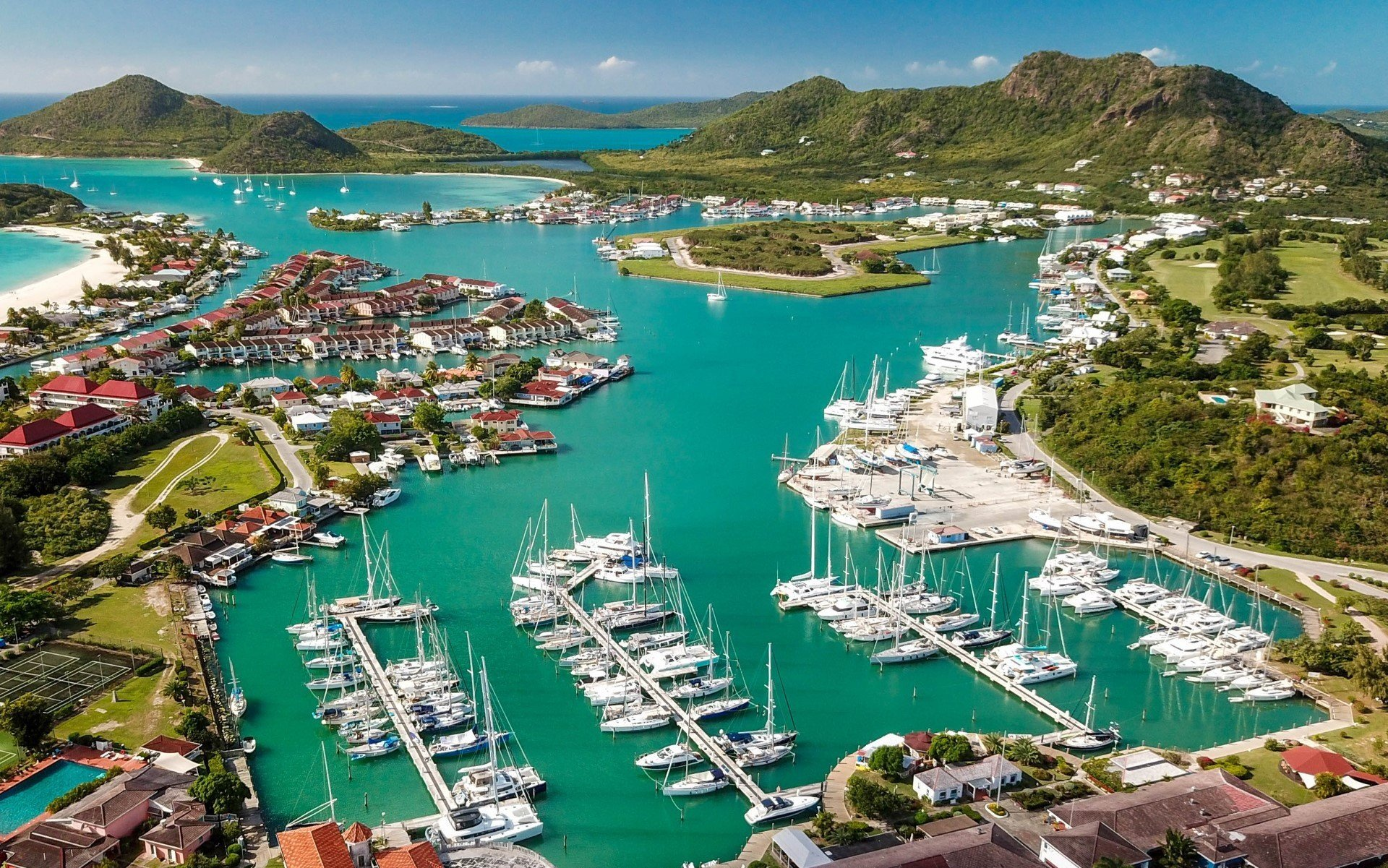
Established in 2013, Antigua and Barbuda citizenship by investment Program is highly popular among HNWIs who are looking for a stable and long-term investment option and a peaceful lifestyle in one of the world’s most idyllic locations. The reputation of Antigua and Barbuda’s CBI program is significantly impressive due to its high level of integrity and transparency. The program is managed by the Antigua and Barbuda Citizenship by Investment Unit (CIU), the government authority responsible for handling and qualifying investments, donations, and due diligence checks for eligible applicants.
The Twin Islands allow dual citizenship, permitting its citizens to obtain irrevocable citizenship. Antigua’s citizenship is granted to qualified applicants for life within a period of 4 to 5 months with no residency requirements. However, after acquiring citizenship, applicants must visit the country for 5 days at any time during the first 5 years of citizenship. Spouses, children up to 30 years old, parents, grandparents, and unmarried siblings can be included in the application. Making a significant investment is the primary requirement to gain Antigua’s citizenship
Investment Options
The Antigua and Barbuda citizenship by investment program is considered one of the most appealing and affordable options in the Caribbean. It provides applicants with three investment routes.
- National Development Fund Contribution
The NDF is a non-profit fund subject to parliamentary oversight and audited by an internationally recognized accounting firm to ensure its transparency. To obtain Antigua’s citizenship investor are required to provide a non-refundable contribution to the fund worth $230,000, along with the government and due diligence fees.
- Real Estate Investment:
To qualify for Antigua and Barbuda citizenship by investment under the real estate option, the government requires applicants to invest in officially approved real estate with a value of at least $300,000 in addition to the government processing and due diligence fees.
- University of the West Indies Fund Donation:
The Antigua and Barbuda government announced in May 2020 that applicants with large families can gain citizenship by contributing to the University of the West Indies Fund. This option is suitable for families of six or more. It also entitles one family member to a one-year tuition scholarship to the West Indies University. The main applicant must make a non-refundable donation of $260,000.
Passport Ranking and Visa-Free Access
Antigua’s passport is considered one of the most desirable passports and ranked 24th in the world. It gives its holder the highest degree of mobility between various destinations, with visa-free access or visa upon arrival to 154 destinations, including Europe’s Schengen area, the United Kingdom, Hong Kong, Singapore, Indonesia, and some Latin American countries. Antigua’s passport holders can stay in the Schengen countries for up to 90 days during six months, and 180 days a year in the UK.
Step-by-Step Application Process for Caribbean Passport
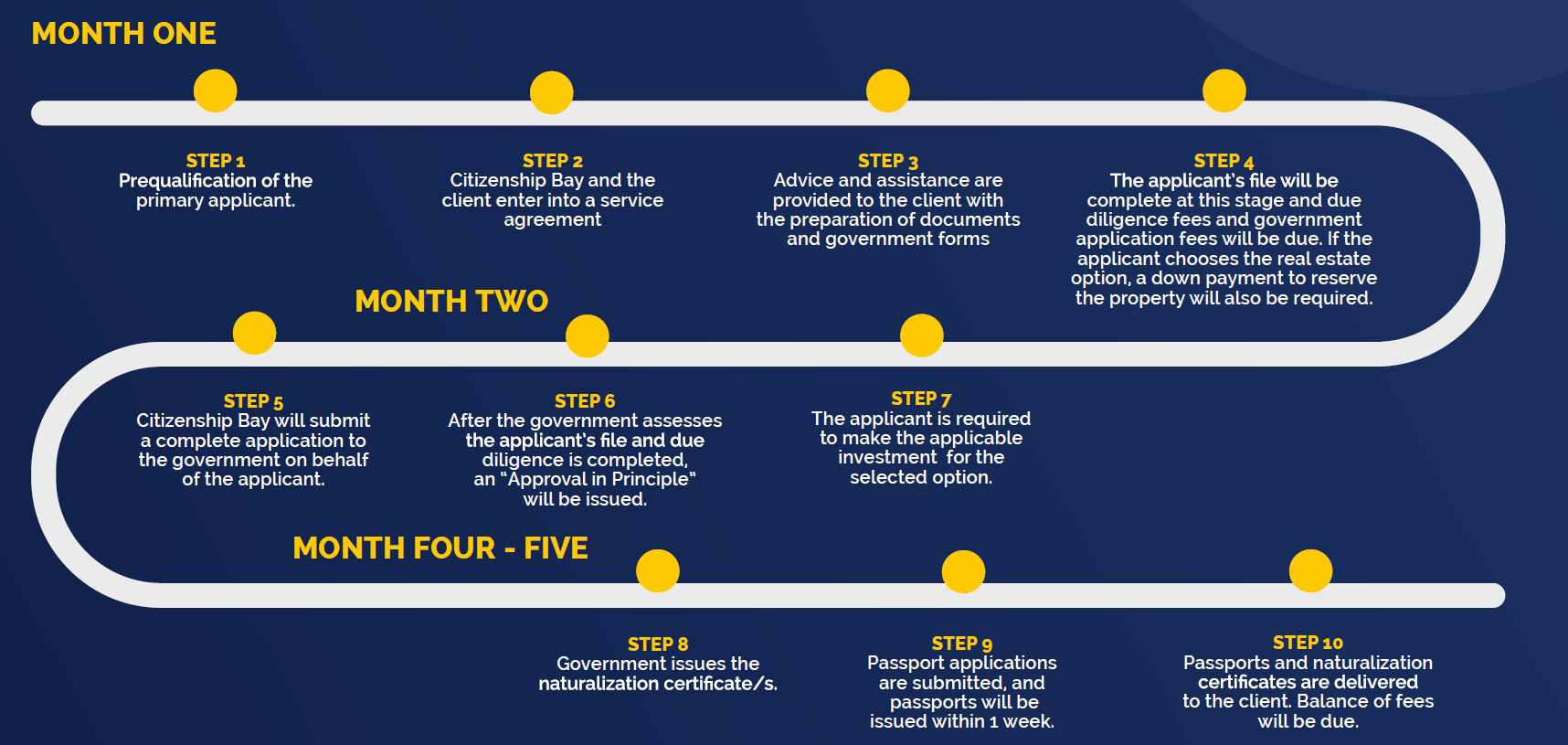
Investors looking to obtain a Caribbean Citizenship should prepare their documents and submit their application by following the steps below:
Step 1: Choose an Authorized Agent
The process of applying for a Caribbean citizenship begins by identifying an Authorized Agent from the Citizenship by Investment Units (CBIU). Only licensed agents are allowed to apply on behalf of the main applicants.
Step 2: Sign a Service Agreement with the Authorized Agent
Applicants should enter into a service agreement with an Authorized Agent and discuss the documents required for the application. The agent will assist in preparing the necessary forms, arranging a medical examination, and gathering all supporting documents. All paperwork must be in English and properly notarized. If the applicant chooses the real estate investment route, the Authorized Agent will help in securing a property through a sale and purchase agreement.
Step 3: Processing of the Application with All Documents Prepared
The authorized agent will submit the application to the CBIU and act as a representative throughout the process. They will handle all communications and respond to any inquiries from the CBIU, ensuring a smooth and efficient submission process.
Step 4: Background checks
The investor’s application will undergo a thorough due diligence check to verify the information provided. All applicants aged 16 and older are required to attend a mandatory interview as part of this process. The CBI unit of the selected country will review the application based on the due diligence findings and the interview. They examine the applicant’s criminal history, financial background, and personal reputation. Fees for due diligence are typically non-refundable and vary by country and complexity. The CBI unit notifies the applicant of the outcome through their Authorized Agent. The applicant will receive a status update indicating whether their application has been approved in principle, delayed for further review, or denied.
Step 5: Payment of Investment and Issuing of Certificates of Naturalization
If the investor’s application is approved in principle, he will receive instructions to complete the required investment payment to the national funds or for the real estate property. Once proof of payment is confirmed, the CBIU will issue the Certificate of Naturalization. This certificate can be used by the investor or their Authorized Agent to apply for the Caribbean passport.
Read also: Evolution of Caribbean Citizenship Programs Over the Past 10 Years
Frequently Asked Questions About Caribbean Passport
- What are the main benefits of a Caribbean Citizenship?
Caribbean Citizenship provides investors and their families with a lot of benefits, including visa-free and visa-on-arrival access to more than 150 global destinations, mainly the European Union and the UK. Applicants can include their family members in the same application. Citizenship is granted for life and is irrevocable. It is considered a straightforward route with efficient processing times and minimal residence requirements.
- What is the minimum investment required to obtain the citizenship and passport of a Caribbean country?
Investors can obtain a second citizenship by investing a minimum of $200,000 in the nation’s economy. They can also purchase a government approved property with $300,000 to obtain citizenship. In addition to the basic cost, investors are required to pay government and due diligence fees.
- Can I include my family in the same application?
Caribbean Citizenship programs allow applicants to include their family members in the same application, including spouses, children, parents, grandparents, and, in some countries, siblings.
- Will the Caribbean Citizenship expire?
No. Once applicants acquire a Caribbean citizenship, they and their family enjoy full citizenship for life, which can be passed on to future generations.
- How long does it take to get citizenship and a passport?
The entire process for obtaining citizenship takes between five and eight months. For instance, three to 10 months are required to obtain Antigua & Barbuda’s citizenship. Around 3 to 4 months are required to obtain St. Kitts & Nevis Citizenship, and four to six months to obtain Grenada, Dominica, and St. Lucia’s citizenship.
- Do the Caribbean programs allow applicants to keep their original citizenship?
Yes. There are no restrictions on dual citizenship in Caribbean countries.
- What is the Best Caribbean Citizenship program?
All Caribbean citizenship by investment programs are reliable, secure, and straightforward. However, each program has its own unique characteristics and suitability depending on the investor’s goals and preferences. For highly mobile investors seeking visa-free access to the most destinations, St. Kitts and Nevis is likely the most popular program. For families seeking a family-friendly program with the most affordable option, Antigua and Barbuda is likely the most affordable option. For investors seeking a wider variety of investment products as well as contribution flexibility, Saint Lucia may be preferred. Finally, investors seeking access to the U.S. E-2 visa will likely favor Grenada.
[1] https://www.eccb-centralbank.org/viewPDF/documents/2025-07-02-13-54-13-Eastern-Caribbean-Citizenship-by-Investment-Programmes-Draft-Legislation.pdf